

Is Florida a No-Fault State?
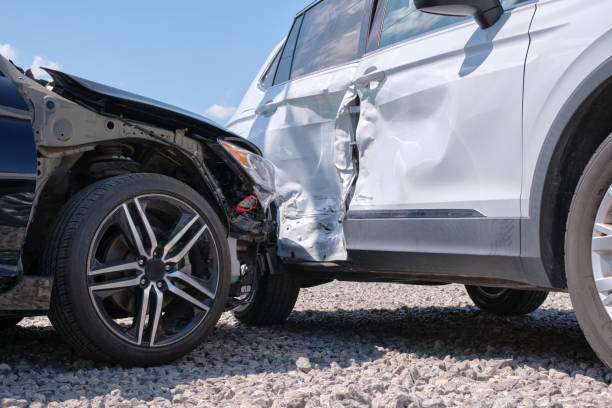
At Chubb Law, our Florida car accident lawyers speak with people every day who are dealing with the aftermath of a crash. We know that the moments following a collision are chaotic. You are worried about your car, your health, and how you will get to work. On top of that, you are trying to navigate a complex legal system that seems overwhelming and confusing.
Knowing how Florida no fault insurance operates can make a stressful situation easier to manage and help you make informed decisions about your medical care and potential legal action. The short answer is, yes, Florida is a no-fault state. However, that answer is just the tip of the iceberg. To truly protect yourself, you need to understand the details behind the Florida no fault law.
What Does No Fault State Mean?
When people ask this, they are usually trying to figure out who is responsible for the mounting medical bills after a crash. In a traditional fault or tort state, the driver who caused the accident is responsible for the other person’s damages. The injured driver files a claim against the at-fault driver’s insurance company, and everyone waits for the insurance adjusters to determine who is to blame before any compensation is paid.
In no fault state Florida, the system is flipped. The idea is to get people medical care quickly without waiting months for the parties to agree on liability. Under this system, your own insurance company pays for your medical bills and certain out-of-pocket expenses, regardless of who caused the accident. Think of it like this: your insurance follows you. Whether you were rear-ended while sitting at a red light or you accidentally clipped someone while merging, your first line of defense is your own policy.
Florida No-Fault Insurance
The core of the Florida no fault state system is personal injury protection, commonly known as PIP. In Florida, the law requires every driver to carry at least $10,000 in PIP and $10,000 in property damage liability (PDL).
What PIP Actually Covers
Many drivers are surprised by how broad, and yet how limited, PIP can be. It is not just for hospital stays. Under Florida no fault insurance, your policy typically covers:
- Medical benefits: PIP pays 80% of all reasonable and necessary medical expenses. This includes emergency room visits, ambulance services, surgery, follow-up doctor visits, and diagnostic tests such as MRIs and X-rays.
- Rehabilitation: It covers things like physical therapy and chiropractic care, though there are specific limits on chiropractic benefits.
- Hidden costs: One of the most overlooked benefits is reimbursement for mileage to and from your medical appointments and prescription medications.
- Disability benefits: If your injuries prevent you from working, PIP pays 60% of your lost income.
- Death benefits: If the worst happens, the law provides $5,000 per individual to help cover funeral and burial expenses.
The 14-Day Rule and the Emergency Medical Condition (EMC)
This is the part of the Florida no fault law where many people lose their benefits before they even realize it.
- The 14-day clock: You must seek medical treatment within 14 days of the accident to use your full PIP benefits. If you wait until day 15 because you thought your back pain would go away, your insurance company might deny your claim entirely.
- The EMC requirement: To access your full $10,000 in benefits, a medical professional, like a doctor, PA, or NP, must determine that you had an emergency medical condition. This is defined as a medical condition manifesting itself by acute symptoms of sufficient severity that the absence of immediate medical attention could reasonably be expected to result in serious jeopardy to patient health or serious impairment to bodily functions. If you are not diagnosed with an EMC, your PIP benefits are capped at just $2,500.
Who Pays for Car Damage in a No-Fault State?
This is the number one source of confusion for Florida drivers. People hear no-fault and assume it applies to the cars. It does not. When it comes to who pays for car damage in a no-fault state, the no-fault rules disappear. The no-fault system in Florida applies almost exclusively to bodily injuries. Vehicle repairs are usually handled through:
- The at-fault driver’s property damage liability (PDL): This is the mandatory $10,000 coverage every Florida driver must have. If someone hits you, their PDL pays for your repairs.
- Your collision coverage: If you have a newer car or a car loan, you likely have collision coverage. If the other driver is uninsured or fault is contested, your own collision coverage can pay for the repairs, and your insurance company will later seek reimbursement, known as subrogation, from the other party.
- Uninsured motorist property damage (UMPD): If someone with no insurance hits you, this optional coverage kicks in to cover the damages.
In short, if you are sitting at a stoplight and someone hits you from behind, your PIP pays for your doctor’s visit, but the other driver’s PDL pays to fix your car.
When Can You Sue?
The no fault system in Florida was designed to keep small fender-bender lawsuits out of the courts. However, it does not mean you can never sue. If your injuries meet a certain legal threshold for seriousness, you can step outside of the no-fault system and file a lawsuit against the at-fault driver for non-economic damages, which include things like pain and suffering, mental anguish, and loss of enjoyment of life. In Florida, a serious injury typically includes:
- Significant and permanent loss of an important bodily function
- Permanent injury within a reasonable degree of medical probability
- Significant and permanent scarring or disfigurement
- Death
When you meet this threshold, you are not limited to the 80% medical and 60% wages that PIP offers. You can pursue the at-fault driver for the full 100% of your medical bills, future care, and the emotional toll the accident has taken on your family.
Why Florida Uses This System
You may wonder why the person who caused the crash does not just pay for everything. This is a fair question. Florida lawmakers created the Florida no fault law with a few goals in mind:
- Reduce court congestion: By handling minor injuries through PIP, thousands of minor lawsuits are not clogging the courts.
- Faster payments: You do not have to wait for a several-year-long legal battle to end before your doctor gets paid.
- Lower litigation costs: In theory, it keeps insurance premiums lower by reducing the need for lawyers in every minor accident.
How Comparative Negligence Affects Your Case
Even though we are a no fault state, fault matters greatly if you try to sue for damages beyond your PIP. Florida uses a modified comparative negligence system. This is a crucial detail. If you are found to be more than 50% at fault for the accident, you are legally barred from recovering any money from the other driver.
Perhaps you were speeding slightly when someone pulled out in front of you, and were partly liable for the accident. If you are 20% at fault, your total compensation will be reduced by 20%. This is why insurance companies fight so hard to shift even a small percentage of blame onto you. Every percentage point they pin on you is money they get to keep.
How Insurance Companies Evaluate No-Fault Claims
Do not let your insurance company fool you. Even your own PIP carrier will look for reasons to save money. When evaluating your claim, adjusters look for:
- Gaps in treatment: If you went to the ER right after the accident but did not follow up with a doctor for three weeks, they will argue you were not actually hurt.
- Consistency of symptoms: They compare what you told the police at the scene to what you told the doctor days later.
- Pre-existing conditions: They look for ways to blame your current pain on an injury you had years ago.
- Medical necessity: They may hire their own experts to review your files and claim that you do not actually need the surgery or therapy recommended by your doctor.
Common Misunderstandings About Florida No Fault Insurance
There are several common misconceptions about the no fault system in Florida.
- Misconception 1: I don’t need a lawyer because my insurance has to pay. Your insurance company is a business. They often dispute medical necessity or try to cap your benefits by claiming you did not have an emergency medical condition.
- Misconception 2: No-fault means the police will not give out tickets. The police are there to enforce traffic laws. If you ran a red light, you will get a ticket, and the other party will use that ticket as evidence of your fault if a lawsuit is filed later.
- Misconception 3: PIP covers my passengers, too. Generally, PIP covers you and relatives living in your household. If a passenger has their own car in Florida, they must use their own PIP, even though they were in your car.
Understanding your rights can help you avoid accepting less compensation than you may need for recovery.
Steps to Take After a Crash in Florida
Knowing what to do in the first hours and days after an accident is critical:
- Report the accident: Always call the police. An official report is the foundation of your claim. Under Florida law, drivers must report a crash within 10 days if the accident involved injuries, death, or significant property damage.
- Document everything: Take photos of the cars, the road conditions, and your injuries.
- Exchange info: Get insurance details, but avoid discussing fault at the scene. Statements like “I’m so sorry, I did not see you” can later be interpreted as admissions of liability.
- See a doctor immediately: Remember the 14-day rule. Even if you feel okay, the adrenaline can mask serious internal injuries.
- Keep records: Save every receipt, medical bill, and record of lost work hours.
- Contact Chubb Law: Before you give a recorded statement to any insurance adjuster, speak with Mitch Chubb and our accident and injury team.
Why You Need an Experienced Legal Team
Navigating Florida’s no fault law can be difficult. Between PIP limits, the 14-day rule, and the modified comparative negligence law, there are many ways for an accident victim to lose out on the compensation they deserve. Florida also has a two-year statute of limitations for most car accident injury claims. Missing this filing deadline can prevent you from recovering compensation entirely, even if your injuries are severe.
At Chubb Law, we understand that a car accident is not just a legal matter. It is a disruption to your life. Our job is to handle the insurance companies and paperwork so you can focus on your recovery. Whether you are struggling with a PIP carrier that will not pay for your therapy or you have suffered a life-changing injury and need to hold the at-fault driver accountable, our Florida car accident lawyers have the experience to fight for you. We know the tactics insurance companies use to minimize your pain, and we know how to push back.
Get the Support You Need After a Florida Motor Vehicle Accident

While the Florida no-fault law system is designed to provide quick medical coverage through Florida no-fault insurance, the reality is often marked by red tape, lowball offers, and confusing timelines. Whether you are struggling to figure out who pays for car damage in a no-fault state or your injuries have exceeded the standard PIP limits, you do not have to fight the insurance companies on your own.
You should have to spend your recovery time arguing with a giant insurance corporation. Our Florida car accident lawyers take the heavy lifting off your plate by dealing with the red-tape headaches of a Florida no fault insurance claim and making sure the adjusters do not try to shortchange you. If your injuries have reached the serious injury threshold, we can fight for the full compensation you need to rebuild your life.
If you are feeling overwhelmed by the rules of Florida’s no fault system or have a question about your specific situation, reach out to our team for a free consultation. You do not have to guess your way through this or settle for a lowball offer from the insurance company.